.png)
Relationships Can Be a Mixed Bag for Autistic People
Updated: Oct 2
By: Gracie Wise
Relationships are like a box of chocolates—you'll never know what you're gonna get. This rings true in every aspect of life, whether it was in childhood or later on in adulthood, and this doubles if you grew up autistic.
It feels good being surrounded by loving, accepting people you can spend quality time with and make fun memories. As someone who grew up with PDD-NOS (a diagnosis for high-functioning autism that was in the DSM-IV), it's even better when they don't treat you differently because of your disability.
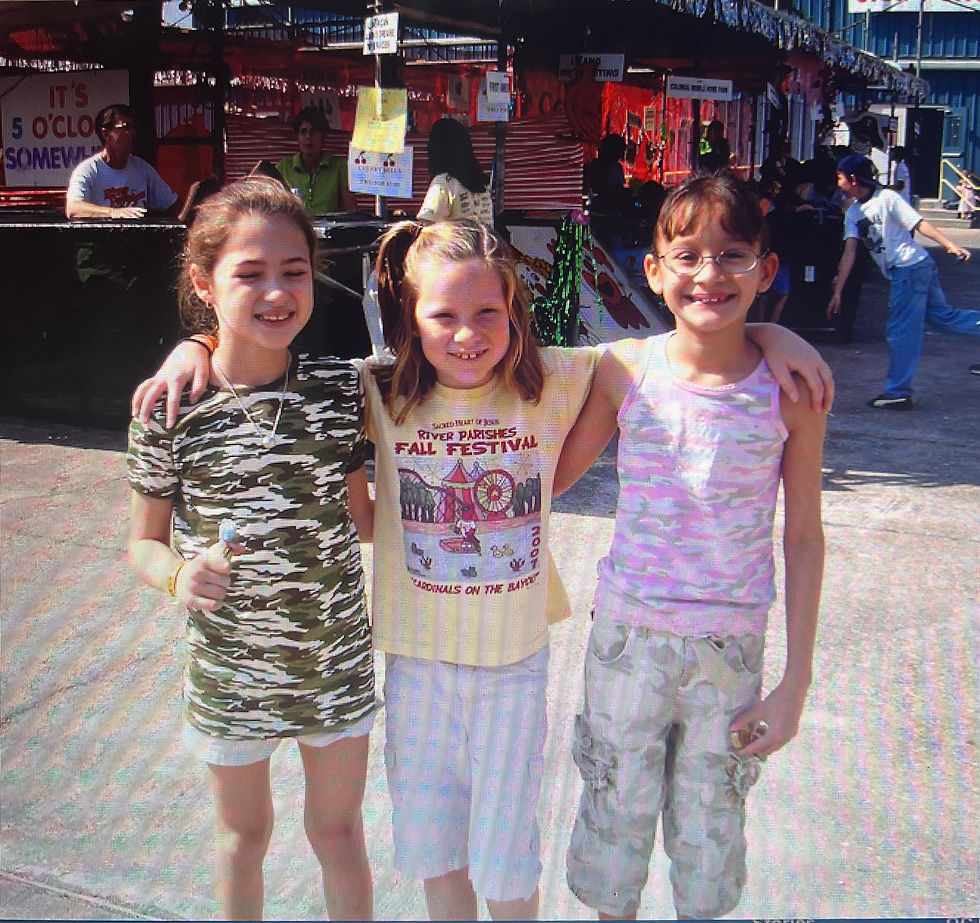
While I don't have any experience with romantic relationships, I know having healthy, happy friendships is one of life's greatest joys! I grew up going to tons of sleepovers and birthday parties. Trips to the bowling alley and the community pool weren't to be missed, and the annual fall festival was a golden opportunity to spend the entire weekend riding the Scrambler, playing carnival games, and eating cotton candy under the tent.
Upon starting eighth grade at a new school, I met a group of girls from my class and within a few short months, we became fast friends. When I say we did a lot of things together, we did a lot of things together: we went to the beach together, worked on group projects together, and even endured through Rally Practice together (IYKYK)!
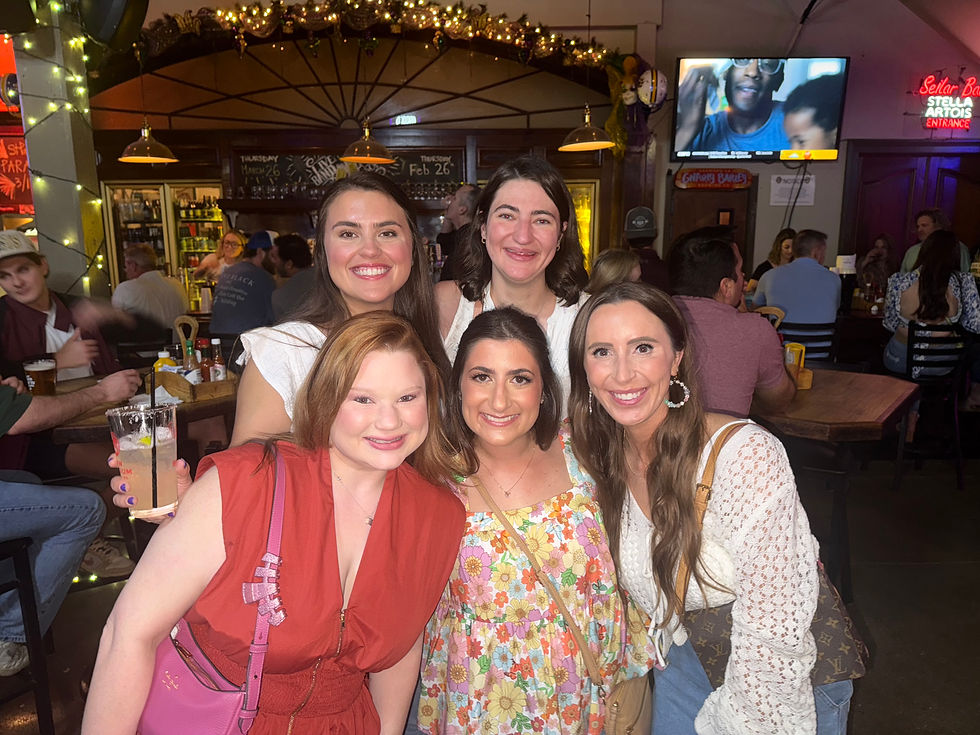
Years later, I'm still friends with those same girls despite our hectic work schedules. We went to the beach two years ago, and one of them asked us to be our bridesmaids for her wedding! How sweet is that?

While I didn't struggle as much in my relationships as much as plenty of other autistic people have, I can't say it was 100% easy. I wasn't bullied per se, but there were times where I felt left out, ignored, or even excluded by my peers. I even had a couple of classmates who were unkind to me at times, and I'm not gonna lie—it stung.
Reflecting back on my school years, I realize there were moments where I fell short in my relationships. I definitely didn't have the best social skills, and I would have emotional breakdowns and sensory overload up the ying-yang.
I got irritated easily when my environment was too loud or chaotic, I was quite loud and had a bad habit of interrupting people when my mind was buzzing with so many things to say, and I constantly kept my feelings and opinions to myself in fear of being judged or excluded.
I also felt things quite intensely, which made me so emotionally invested in my friendships that it boiled to a point where I was clingy and deeply afraid of being abandoned. I would play as peacekeeper whenever my friends got in little arguments, and I didn't take too kindly to many changes in my routine (which I admit wasn't my shining moment).
At one point, I became so socially withdrawn that I became anxious and super hypercritical of myself. I would shrink into myself, afraid of saying the wrong things and not wanting to seem weird. Unfortunately, this made me look awkward and led to judgment from a couple of people.

But whenever I was with the right people, all the tension and uncertainly would melt away. Whenever I met someone new, I'd be shy and reserved at first. But if I've spent more time with them, and they've proven to be kind and accepting, an outgoing and talkative girl would emerge from her shell.
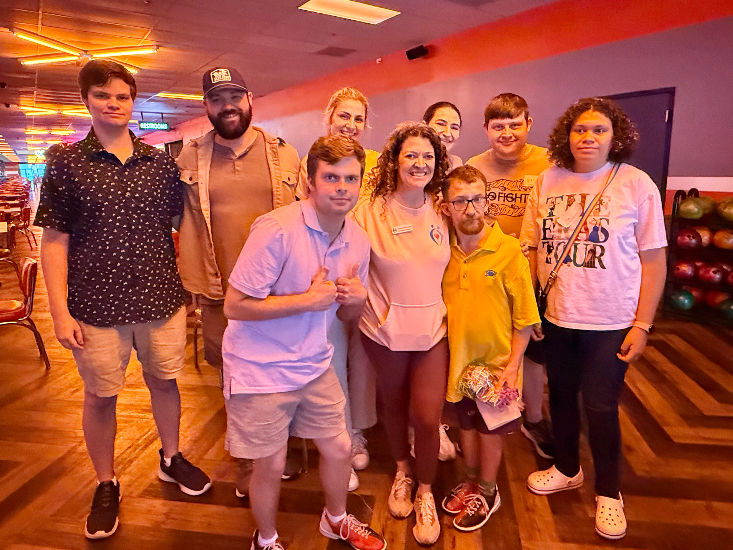
Plenty of people have helped me break out of my cage: my high school friends, my friends from Chi Alpha and Christian Life Communities (CLC) at Loyola, my Gaming Club buddies, and recently, my friends at Connections Across the Spectrum (CLC).
Why Do Autistics Struggle in Relationships?
Contrary to popular belief, autistic people, just like their neurotypical counterparts, desire healthy, satisfying relationships that are long-lasting.
The benefits of being friends with an autistic person are quite rewarding. At our best, most of us are charming, genuine, consistent, and deeply empathetic. We may not say it or show it on our faces, and we may not always have the words to describe how we're feeling at the moment, but we cherish spending time with people we truly care about. Even ten minutes of complete silence in the car, at a restaurant, or a movie theater is time well spent.
While we go through the same ups and downs of being in a relationship like neurotypicals, we face unique challenges that make these highs and lows quite more extreme. Such experiences can make finding social connections akin to being in a traffic jam on the Causeway.
First and foremost, many people with autism experience the world differently. While they might encounter similar situations as non-autistic people, they may experience them at more or less intense levels with no in-between. This can manifest in the form of sensory issues, emotional dysregulation, resistance to change, and social anxiety. These challenges can make it harder to establish social connections and seek new opportunities.
Secondly, there is a lack of autism awareness. We still live in a society that doesn't understand autism, and even when they do, they don't understand the complexities of the autism spectrum. While the world is more autism-aware than it was over 25 years ago, misunderstandings, stereotypes, and prejudices still prevail.
For example, many autistics have communication differences that aren't prevalent upon the general population. They may look away when they're talking to someone, misread social cues, take things literally, or not understand a joke. They may also engage in repetitive behaviors to block out negative sensory input, which could be seen as distracting, strange, or even dangerous to neurotypicals.
How Does a Lack of Social Connections Affect Autistic People?
Some people might assume an autistic person is being rude or indifferent because of those traits and pass on having a relationship with them. In extreme cases, they may engage in ridiculing, humiliating, ignoring, excluding, bullying, manipulating, and even gossiping about the autistic person.
It doesn't help matters that people with autism are more vulnerable to toxic and dangerous relationships. They might not even know what a healthy relationship looks like and unable to recgonize mistreatment. While not understanding social cues is one factor, abusive behaviors are normalized and justified by their peers and worse, their caregivers and authority figures. This is something that neurotypical people also experience in friendships and romantic relationships.
But for most autistics, they may conclude that something is inherently wrong with them: they believe that they're a broken neurotypical and they need to change themselves in order to make friends or win a date. To compensate for their shortcomings, they try to camouflage or mask their traits in order to fit in with their peers.
Masking might work in the short-term; it may just as well lead to relationships, academic success, and professional achievements. But eventually, it catches up to them in the form of lagging skills, executive dysfunction, and chronic exhaustion. This phenomenon is also known as autistic burnout.
Besides, autistics may realize they're unhappy in their relationships. Even when abuse is not present, their relationships might feel superficial in terms of interactions. While they tend to struggle with small talk, people with autism often seek deep, intimate conversations based on special interests and even their life stories.
Without authentic relationships, autistic people end up struggling with physical and mental health issues, chronic loneliness, no sense of belonging, and a lack of self-worth.
Helping Autistic People Connect with Others
Fortunately, seeking a healthy, long-lasting relationship is not impossible for autistic people. There are so many avenues they can take to seek friendship and/or love, and while services and supports can be hard to find, they do exist! It might be hard, but it's not impossible!
And I'll be one of the people to say it: despite all the horror stories I've read online in many forums, it's absolutely possible for autistic people to be friends with neurotypicals or non-autistic folks. To me, it's all about finding people who make you supported and loved. It's also about being with people who will stand by you, no matter how tough life gets—and I'm living proof of that!
Of course, as I grew older, I realized I had a lot to work on regarding my social skills. I decided it was time to seek support. More specifically, I needed a social group where people like me could hang out and do things together while improving those social skills and getting out of our comfort zones.
My friend Mason Edler shared the same sentiments. After discussing it with Kimmy Bradley, our childhood occupational therapist, we came up with a name and an idea, and thus, CATS was born.
Established in 2025, this New Orleans-based nonprofit organization encourages building social connections, independence, and inclusion by creating programs, excursions, and networking opportunities for autistic adults. We started small with trivia night at the Port Orleans Brewing Company, and we've been having more excursions like that since!
One major event coming up will be an adult prom night at The Crossing in Kenner, and the theme will take you back in time to the groovy 70's!

People with autism can seek social connections by attending:
Attending support groups: You will realize you're not alone in their struggles while hearing other autistic people talk about their experiences with love and friendship. You can also learn tips and tricks for being in a relationship from fellow autistics. These groups can be virtual or in person.
Special-interest groups: There are clubs and events for people with niche hobbies such as gaming, cooking, reading, and music. They can be found in libraries, universities, cafés, and other venues. You can also join a group on Facebook and forums.
Speed dating events: Whether you're looking for love or just a friend, speed dating events are a great way to meet new people, practice small talk, and hang out. These events usually take place in restaurants, bars, and cafés.
If you wish to donate to CATS, or if you're interested in becoming a member, be sure to visit our website. You can also sign up for our newsletter or follow us on social media to keep up to date on any events!


Gracie,
Another great blog—I love it! Your writing is engaging, heartfelt, and so easy to connect with. You bring everything to life in such a meaningful way.
I’m proud to be part of Connections and can’t wait for your next post—keep up the amazing work! 👏